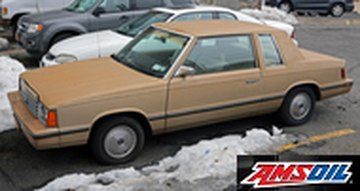
Maintaining Lubrication Standards for the 1982 Dodge ARIES 2.2L
Proper engine care for a vehicle of this era requires a focus on consistent monitoring and adherence to specific fluid requirements. For owners of a 1982 Dodge ARIES equipped with the 2.2L engine, maintaining the lubrication system is a fundamental aspect of long-term mechanical health. Because older engines may exhibit different sealing characteristics or material behaviors than modern counterparts, a proactive approach to inspection and oil selection is beneficial.Monitoring Fluid Integrity and Potential Leaks
One of the most effective ways to monitor the health of the 2.2L engine is through regular visual inspections for fluid seepage. Over time, various gaskets and seals may undergo changes in elasticity due to heat cycles and age. It is useful to inspect the area around the engine block and the underside of the vehicle for any signs of wetness or residue that could indicate a slow leak. When performing these checks, look for:- Evidence of oil weeping from sealing surfaces.
- Accumulations of grime or dirt that often cling to areas where fluid is escaping.
- Any changes in the color or consistency of the lubricant when checked via the dipstick.
Observing Changes in Engine Performance and Indicators
Beyond visible leaks, certain operational signs can indicate that the lubrication system requires attention. While symptoms do not always point to a single specific component, they serve as important cues for the owner. For example, an unusual mechanical noise during startup or while idling may be associated with changes in lubricant viscosity or volume. If the vehicle is equipped with oil-related warning indicators on the dashboard, these should never be ignored. An active warning light requires immediate investigation to determine if the issue is related to fluid levels, pressure, or another system entirely. Additionally, observing the exhaust for unusual smoke can sometimes provide a clue regarding how the engine is managing its internal fluids, though such observations should always be paired with a physical inspection of the engine bay.Prioritizing Maintenance Based on Current Condition
For an older vehicle like the 1982 Dodge ARIES, maintenance priorities should ideally be driven by the actual condition of the components rather than just the age of the car. If you are stepping into ownership without a complete service history, establishing a baseline is a practical first step. This involves performing a thorough inspection of all major service points and documenting the current state of the engine. If maintenance records are available, review them to identify when the last oil change or filter replacement occurred. If no records exist, treat the vehicle as if it requires an immediate baseline service to ensure you are starting from a known, healthy state. When addressing maintenance tasks, prioritize active concerns—such as visible seepage or unusual noises—before moving on to purely preventive measures. This approach ensures that resources are directed toward the most pressing needs of the 2.2L engine.Managing Aging Components and Systems
As vehicles age, certain peripheral components may require more frequent scrutiny. While the core engine components are designed for longevity, the materials surrounding them can change over decades. If equipped, inspect accessible drive belts for signs of cracking, glazing, or fraying. Similarly, if the vehicle is equipped with various rubber hoses, check them for excessive softness, hardening, or visible cracks. It is also beneficial to keep an eye on electrical connections and wiring harnesses. Ensuring that connectors are clean and free from corrosion can prevent erratic signals from sensors that monitor engine health. By combining these routine checks with regular oil service, you create a comprehensive oversight strategy that accounts for both the mechanical and material aspects of aging.The Role of Consistent Lubrication in Engine Health
Maintaining the correct lubrication is about more than just preventing friction; it is also about managing the internal environment of the engine. Fresh lubricant helps to carry away heat and prevents the buildup of deposits that can occur when oil begins to break down due to oxidation or thermal stress. Regularly changing the oil ensures that the additives within the lubricant—which are designed to manage contaminants and maintain stability—remain at effective concentrations. For an engine like the 2.2L, which has been in service for many years, maintaining this cleanliness is a key part of preventing the accumulation of sludge or other residues that can interfere with smooth operation.Practical Advice for Buying Engine Oil for your 1982 Dodge ARIES 2.2L
When it is time to replenish your engine's lubricant, the most important step is to match the product to the specific requirements of your vehicle. Do not rely on general automotive knowledge or assumptions based on the age of the car to select a grade. Instead, refer directly to the application-specific oil viscosity and information provided on this webpage. When you are ready to purchase, consider the following:- Verify the Viscosity: Match the oil to the vehicle-specific viscosity information shown above.
- Check API Certifications: Ensure the product meets current quality standards for engine protection.
- Evaluate Formulations: Depending on your specific needs and the condition of your engine, you may choose between conventional, synthetic blend, or full synthetic oils. Some high-mileage oil formulations also contain additives intended for use in aging engines, including seal-conditioning additives.
- Inspect the Label: Always read the product packaging carefully to ensure it aligns with the technical data provided for your 1982 Dodge ARIES 2.2L.